Friday, 30 September 2016
Pointless Case Study - Contestants
The contestants on pointless vary in age and demographic although there the majority of contestants are probably C1 or C2. There are often some students on the show but most contestants are probably above 30. The contestants are usually quite clever but nothing unusual. I would say this is targeted to most demographics because the show is similar to lots of day time TV because the show is cheerful and friendly but the show also requires lots of specific knowledge and it contains interesting facts which would appeal to higher demographics. I think the target psychographics are mainstreamers and resigned.

Game Show Contestants
The application for The Cube makes it seem like they are looking for very interesting and unique people because the questions want you to give answers different to other people. The application for Ninja Warrior UK also makes it seems like they are looking for an interesting person but another big part of the application is seeing if the contestant is physically strong enough for the show. The application for Countdown make it seem like they want interesting and very clever people on the show. All the shows ask about any crimes the people have committed; probably because the channels don't want to be seen giving prize money to someone with a criminal record as people would think worse of the channel.
If I was the producer I would ask people what interesting things have you done, if they think they could win the show and what they would do after they won.
I think the most important things that producers look for in contestants is them being interesting and charismatic and they want the group of the contestants to be diverse.
I think the target demographic for The Cube is from B to E as I think game shows are for slightly lower demographics however The Cube is done in away that makes it look more modern and sophisticated so I think it appeals to higher demographics as well. I think the target demographic for Ninja Warrior UK is C1 to E. I think the target demographic for Countdown is A to C1 because higher social classes are presented as prefer more intellectual shows.
I think the target psychographics for The Cube are mainstreamers, aspirers and succeeders. This is because it the show looks good and is done in a professional way, is quite exciting and tense for a gameshow but it still has most of the conventions of a typical game show. I think the target psychographics for Ninja Warrior UK are mainstreamers and strugglers. I think the target psychographics for countdown are resigned and reformers.
If I was the producer I would ask people what interesting things have you done, if they think they could win the show and what they would do after they won.
I think the most important things that producers look for in contestants is them being interesting and charismatic and they want the group of the contestants to be diverse.
I think the target demographic for The Cube is from B to E as I think game shows are for slightly lower demographics however The Cube is done in away that makes it look more modern and sophisticated so I think it appeals to higher demographics as well. I think the target demographic for Ninja Warrior UK is C1 to E. I think the target demographic for Countdown is A to C1 because higher social classes are presented as prefer more intellectual shows.
I think the target psychographics for The Cube are mainstreamers, aspirers and succeeders. This is because it the show looks good and is done in a professional way, is quite exciting and tense for a gameshow but it still has most of the conventions of a typical game show. I think the target psychographics for Ninja Warrior UK are mainstreamers and strugglers. I think the target psychographics for countdown are resigned and reformers.
Wednesday, 28 September 2016
Pointless Case Study - Hosts
Alexander Armstrong (Born 1970)
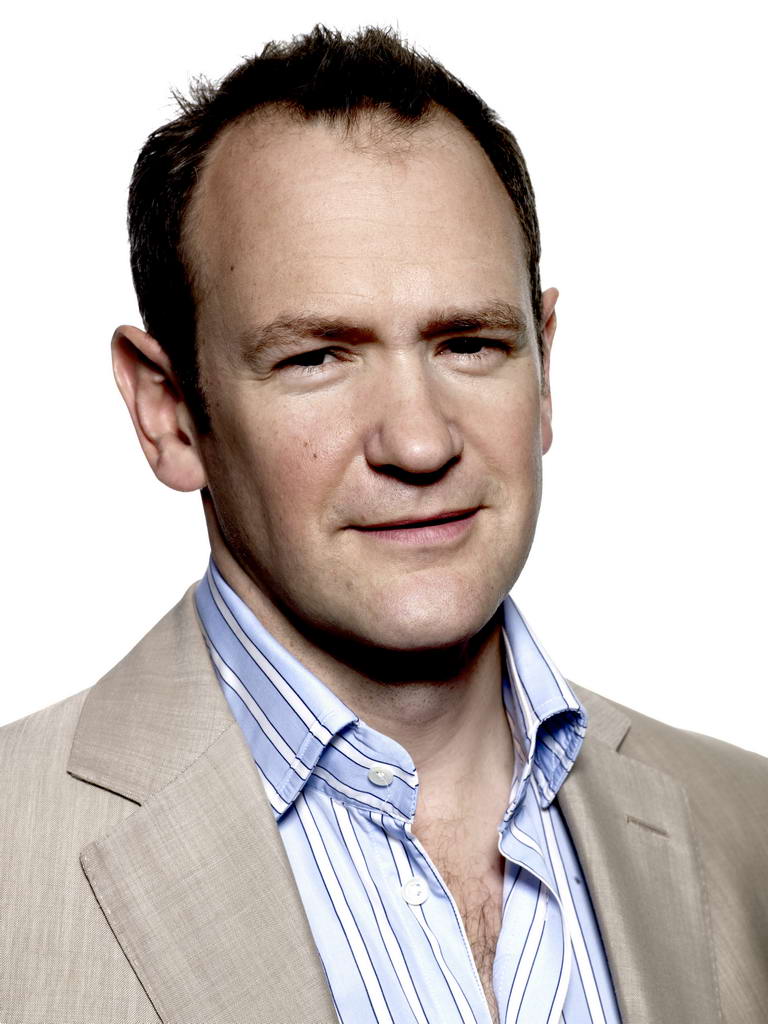
Alexander Armstrong is an English comedian actor and singer. His main roles have be in 'Armstrong and Miller' and 'Pointless'. He has also guest starred in many other shows such as 'Have I Got News For You' and 'The Sarah Jane Adventures'. He started his career as a comedian and after several years in 'Armstrong and Miller' he started his solo career.
Richard Osman (Born 1970)

Richard Osman is an English television presenter, producer and director. He is also the creator and co-presenter of Pointless. Before co-presenting pointless Osman had only worked in behind the camera rolls in television programs such as deal or no deal and 8 out 10 cats.

Friday, 23 September 2016
Hosts of Gameshows
All the hosts are male. They are middle aged or slightly below. They are not very young or old. Three of them have brown hair. Philip Schofield is slightly different because he is slightly older and has grey hair. All the hosts are English and two were journalists.
Roles of a Host:
Roles of a Host:
- Say what the object of the show is
- Introduce the show to the audience
- Introduce the contestants
- Explain the game
- Ask questions
- Say the score
- Cheerful (for most shows)
- Confident
- Funny
- Charismatic
- Interesting
- Clever
Thursday, 22 September 2016

Friday, 16 September 2016
Types of Lighting
High-Key Lighting - Lighting that results in predominantly middle-gray to white tones
Low-Key Lighting - Lighting that results in predominantly gray to middle-black tones with few light areas
Spotlighting - Putting a focused hard light onto a subject
Back Lighting/Silhouetting - A light behind a subject to make it appear darker/like a silhouette
Colour Filters - changes the colour of light
Floor Lights - Lighting on the floor
Neon Strips - A light with neon gas in it that lights up when electricity is passed through it.
Changes in Light - When the light changes to a different colour
Low-Key Lighting - Lighting that results in predominantly gray to middle-black tones with few light areas
Spotlighting - Putting a focused hard light onto a subject
Back Lighting/Silhouetting - A light behind a subject to make it appear darker/like a silhouette
Colour Filters - changes the colour of light
Floor Lights - Lighting on the floor
Neon Strips - A light with neon gas in it that lights up when electricity is passed through it.
Changes in Light - When the light changes to a different colour
Thursday, 15 September 2016
Generic Conventions Of Television Game Shows
Generic Convention
|
Game Show 1: All Star Family Fortunes
|
Game Show 2:
Pointless
|
Game Show 3:
Weakest Link
|
Game Show 4:
A League of their Own
|
Set in a television studio. Set design
often includes a podium behind which the contestant stands. Light is often an important element of the
mise-en-scene with lights dimmed or spotlights used to heighten dramatic
tension.
|
Host’s
podium in the centre. Each family has a podium either side. Lots of light.
The set is blue and purple.
|
Each
pair has a podium on one side. The assistant has a podium like a desk. The
main host stands Slightly to one side between the assistant and contestants.
Warm colours. Purple and orange.
|
||
The
host is sometimes a key element of
the show and is often someone whose ‘A list days’ are over; a TV star from a
different TV genre; a comedian. The
host often holds cards as an aide-memoire
for introducing contestants. Traditionally the host is male, accompanied by a
‘glamorous assistant’.
|
Vernon
Kay. Popular UK host, conventionally handsome. Northern accent but not too
strong, friendly
|
The
main host is charismatic and ask the questions. He is there to make the show
interesting. The assistant is clever and is there to make the facts seem
reliable.
|
||
Contestants apply to join the show and vary in
age and background. They are selected
because they have something about them, which will help make the show
successful or are selected at random. Contestants are sometimes selected from
the studio audience.
|
On
Saturday evenings so they have families on the show which suits the family
audience, Celebrities sell.
|
Pairs
with varying professions and personalities to relate to all audiences but
usually more middle age and older people as more people of this age watch the
show.
|
||
The
games can vary from physical tasks
to practical or puzzle-solving tasks -
|
No
games
|
No
games
|
||
The
questions (if it is a
quiz/gameshow hybrid) can vary depending on the target audience. They are usually set independently.
Contestants usually know what type of questions they’ll be asked; often start
easy and get harder. Technology has increased the way audiences and
contestants can see & respond to questions.
|
Non-specific
answers. Simple, mainstream, relatable, wide appeal.
|
Questions
with multiple answers. All answers are allowed if they are correct. The more
obscure answers get fewer points.
|
||
The
prizes can be large e.g. cars and
holidays or small e.g. a glass bowl. Sometimes the prize is the title of
being the champion. Usually even the losers go away with something even if it
just the experience.
|
Money
to charity. Charity sells, Moral exhibitionism?
|
You
get a trophy and money. The amount depends on the episode.
|
||
Gimmicks or catchphrases are often used to make each show
original and become part of the national consciousness.
|
‘Our
survey says’
Intertextuality
– referencing other media ‘nice to see you to see you nice’
|
The
group with the least points win.
|
||
Music often used first as a catchy theme
tune and then as mood music to increase tension or to signal different parts
of the show.
|
Upbeat,
catchy
|
Up
beat music in the intro. Tense music increasing in pitch after an answer to
build tension
|
Subscribe to:
Comments (Atom)