Friday, 11 November 2016
The History of Game Shows
The first game show, Spelling Bee, was first broadcast on 31st May 1938. This was two years after the launch of the BBC. The show was light-hearted and the only task was spelling words. The first game show on commercial licensed television was Truth or Consequences which first appeared in 1941. During the 1950s as television became more popular and accessible there were more game shows on TV. The prizes on prime time game shows had become higher stakes and there were lower-stakes game shows on during day-time TV to appeal to new groups of people. The prizes increased because of the money that was gained from adverts. Towards the end of the 1950s some game shows started to appear with more stunts and jokes. In the 1960s many of the popular games stayed as there where in the 50s with University Challenge being one of the few new successes. In the 1960s more technology started to be used in the shows. In the 1970s families appeared a lot more in game shows. Examples of this were The Generation Game and Ask the Family. Some game shows also became more futuristic like The Krypton Factor. During the 1980s game show became a lot more about action and went to different location. This is because of the developments in technology and the American influence. Sports game shows also became popular. In the 1990s game shows for children became popular but many game shows from the 80s became much less popular. Many game shows also became a lot more physical. During the 2000s many lifestyle game shows became very popular. This lead to game shows in cooking, housing and DIY. Game shows all started to go with the Lottery however the early attempts where not very successful. During the 2000s game shows became increasingly less popular with 'I'm a Celebrity... Get Me Out of Here!' being the only new game show to be a major success.

Friday, 4 November 2016
Catchphrases and Gimmicks
Gimmicks and Catchphrases
Who said:
You are the weakest link. Goodbye, Anne
Robinson, The Weakest LinkWould you like to phone a friend, ask the audience or 50/50? Chris Tarrant
I’ve started so I’ll finish. John Humphreys, Mastermind
Start the Clock, Countdown
What’s the scores on the doors? Bruce Forsyth, The Generation Game
They think it’s all over – it is now. They think It’s all over
Is that your final answer? Chris Tarrant, Who wants to be a millionaire?
Can I have a P please Bob? Blockbusters
What is the appeal of catchphrases?
They make it easy to remember the show
What is a gimmick?
An ingenious or novel device, scheme, or stratagem, especially one designed to attract attention or increase appeal.
What does a gimmick do and why is it necessary?
A gimmick makes a show unique and often funny so it means people remember it easily so more people know about the show.
Friday, 21 October 2016
The Crystal Maze
The crystal maze appeals to new fans by having celebrities from different areas of popular culture. For example there is Rio Ferdinand who is a famous footballer, Michelle Keegan who has appeared on soaps and Josh Widdicombe who is a comedian. The host, Stephen Merchant, is also new and a comedian so people who like him would also want the show. The comedians also attract news fans to the show as people will see the show because they think it will be funny. The graphics and outfits have also been changed to make the show look more modern so younger viewers won't be put off. The show is also made as a one of special for charity so more people are likely to watch it because they feel like they are helping charity and because people don't want to miss watching something if it probably won't happen again.
The crystal maze appeals to old fans because it is set out in a similar way to the original and all the zones are the same. The games in the show have also been in the show before so it similar to the original. There is also a cameo from the original host to attract old fans of the show.
The crystal maze appeals to old fans because it is set out in a similar way to the original and all the zones are the same. The games in the show have also been in the show before so it similar to the original. There is also a cameo from the original host to attract old fans of the show.
Thursday, 13 October 2016
Game Show Pitch
Game Show Pitch
My game show is called: Beat the Pleb
The Target Audience is:
Age: 12+ Location: Studio in Norwich Ethnicity: N/A Gender: Both
Demographic: C1-A
Psychographics – Reformers and Aspirers
The contestants will be: A panel of celebrities and one regular person who has very good trivia knowledge.
Demographic: C1-A
Psychographics – Explorers and Succeeders
Host – who will I audition and why? Jack Whitehall, because we need a well-known celebrity that will react comically to the knowledge of the “Pleb”, and the ignorance of the celebrities.
Any other use of celebrities?
A panel of 4 B-list celebrities with one well known one as the team captain is set up.
What type of games / questions / rounds will you have?
There will be a selection of trivia questions which are catered towards the “Pleb” winning, and making the celebrities look ignorant. They are asked and the first to buzz in with the correct answer wins a point. If they get it wrong the answer passes to the other team. If they get it wrong, then no-one gets points and the next question is asked. This is round one. In round two there will be a team based game for the celebrities, where they have to compete as a team against the “Pleb” e.g. they have to dodge the “Pleb” firing eggs at them from an egg cannon for a minute. Whichever side wins gets 5 points. In the third round, the “Pleb” answers questions for points whilst the celebrities compete in a team based task for points. The final round has a random one of the celebrities go head to head with the “Pleb”. There is a random, completely pointless task that they have to complete to earn a massive 15 points. This gives the trailing team a chance to redeem themselves. It could be anything from who can drink a litre of undiluted orange squash the quickest, or scoop the most baked beans out of a tray into a bucket using their fingers. The team with the most points at the end of the show wins. The “Pleb” will win £5000, and the celebrity team gets £5000 for a charity of their choice.
USP
The USP of the show is that a normal person gets to compete against celebrities which makes the show unique because most game shows only put celebrities against celebrities.
Synergy
The show could work with other companies as the celebrity team could be made up of actors from a new TV series or film to advertise both shows. Also if a celebrity released a new product they could talk about it during the show. Some questions could also be about certain brands to advertise their products.
My game show is called: Beat the Pleb
The Target Audience is:
Age: 12+ Location: Studio in Norwich Ethnicity: N/A Gender: Both
Demographic: C1-A
Psychographics – Reformers and Aspirers
The contestants will be: A panel of celebrities and one regular person who has very good trivia knowledge.
Demographic: C1-A
Psychographics – Explorers and Succeeders
Host – who will I audition and why? Jack Whitehall, because we need a well-known celebrity that will react comically to the knowledge of the “Pleb”, and the ignorance of the celebrities.
Any other use of celebrities?
A panel of 4 B-list celebrities with one well known one as the team captain is set up.
What type of games / questions / rounds will you have?
There will be a selection of trivia questions which are catered towards the “Pleb” winning, and making the celebrities look ignorant. They are asked and the first to buzz in with the correct answer wins a point. If they get it wrong the answer passes to the other team. If they get it wrong, then no-one gets points and the next question is asked. This is round one. In round two there will be a team based game for the celebrities, where they have to compete as a team against the “Pleb” e.g. they have to dodge the “Pleb” firing eggs at them from an egg cannon for a minute. Whichever side wins gets 5 points. In the third round, the “Pleb” answers questions for points whilst the celebrities compete in a team based task for points. The final round has a random one of the celebrities go head to head with the “Pleb”. There is a random, completely pointless task that they have to complete to earn a massive 15 points. This gives the trailing team a chance to redeem themselves. It could be anything from who can drink a litre of undiluted orange squash the quickest, or scoop the most baked beans out of a tray into a bucket using their fingers. The team with the most points at the end of the show wins. The “Pleb” will win £5000, and the celebrity team gets £5000 for a charity of their choice.
USP
The USP of the show is that a normal person gets to compete against celebrities which makes the show unique because most game shows only put celebrities against celebrities.
Synergy
The show could work with other companies as the celebrity team could be made up of actors from a new TV series or film to advertise both shows. Also if a celebrity released a new product they could talk about it during the show. Some questions could also be about certain brands to advertise their products.
Friday, 7 October 2016
Reception Theory
The reception theory is a theory from Stuart Hall which states that different audiences interpret media differently to how it is meant to be interpreted or differently to how other people interpret this. How the audience interprets the media depends on there experience. The theory states that the more similar experiences the audience shares with the creator of the media the more likely the audience is to interpret the media in the intended way.
Friday, 30 September 2016
Pointless Case Study - Contestants
The contestants on pointless vary in age and demographic although there the majority of contestants are probably C1 or C2. There are often some students on the show but most contestants are probably above 30. The contestants are usually quite clever but nothing unusual. I would say this is targeted to most demographics because the show is similar to lots of day time TV because the show is cheerful and friendly but the show also requires lots of specific knowledge and it contains interesting facts which would appeal to higher demographics. I think the target psychographics are mainstreamers and resigned.
Game Show Contestants
The application for The Cube makes it seem like they are looking for very interesting and unique people because the questions want you to give answers different to other people. The application for Ninja Warrior UK also makes it seems like they are looking for an interesting person but another big part of the application is seeing if the contestant is physically strong enough for the show. The application for Countdown make it seem like they want interesting and very clever people on the show. All the shows ask about any crimes the people have committed; probably because the channels don't want to be seen giving prize money to someone with a criminal record as people would think worse of the channel.
If I was the producer I would ask people what interesting things have you done, if they think they could win the show and what they would do after they won.
I think the most important things that producers look for in contestants is them being interesting and charismatic and they want the group of the contestants to be diverse.
I think the target demographic for The Cube is from B to E as I think game shows are for slightly lower demographics however The Cube is done in away that makes it look more modern and sophisticated so I think it appeals to higher demographics as well. I think the target demographic for Ninja Warrior UK is C1 to E. I think the target demographic for Countdown is A to C1 because higher social classes are presented as prefer more intellectual shows.
I think the target psychographics for The Cube are mainstreamers, aspirers and succeeders. This is because it the show looks good and is done in a professional way, is quite exciting and tense for a gameshow but it still has most of the conventions of a typical game show. I think the target psychographics for Ninja Warrior UK are mainstreamers and strugglers. I think the target psychographics for countdown are resigned and reformers.
If I was the producer I would ask people what interesting things have you done, if they think they could win the show and what they would do after they won.
I think the most important things that producers look for in contestants is them being interesting and charismatic and they want the group of the contestants to be diverse.
I think the target demographic for The Cube is from B to E as I think game shows are for slightly lower demographics however The Cube is done in away that makes it look more modern and sophisticated so I think it appeals to higher demographics as well. I think the target demographic for Ninja Warrior UK is C1 to E. I think the target demographic for Countdown is A to C1 because higher social classes are presented as prefer more intellectual shows.
I think the target psychographics for The Cube are mainstreamers, aspirers and succeeders. This is because it the show looks good and is done in a professional way, is quite exciting and tense for a gameshow but it still has most of the conventions of a typical game show. I think the target psychographics for Ninja Warrior UK are mainstreamers and strugglers. I think the target psychographics for countdown are resigned and reformers.
Wednesday, 28 September 2016
Pointless Case Study - Hosts
Alexander Armstrong (Born 1970)
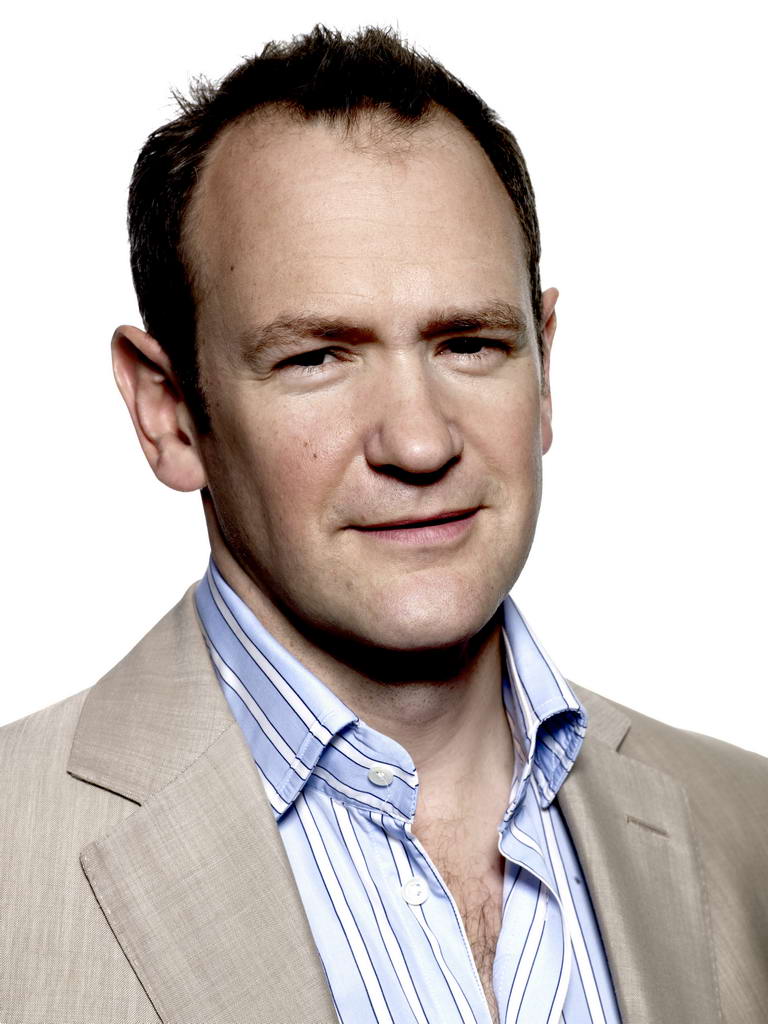
Alexander Armstrong is an English comedian actor and singer. His main roles have be in 'Armstrong and Miller' and 'Pointless'. He has also guest starred in many other shows such as 'Have I Got News For You' and 'The Sarah Jane Adventures'. He started his career as a comedian and after several years in 'Armstrong and Miller' he started his solo career.
Richard Osman (Born 1970)

Richard Osman is an English television presenter, producer and director. He is also the creator and co-presenter of Pointless. Before co-presenting pointless Osman had only worked in behind the camera rolls in television programs such as deal or no deal and 8 out 10 cats.

Friday, 23 September 2016
Hosts of Gameshows
All the hosts are male. They are middle aged or slightly below. They are not very young or old. Three of them have brown hair. Philip Schofield is slightly different because he is slightly older and has grey hair. All the hosts are English and two were journalists.
Roles of a Host:
Roles of a Host:
- Say what the object of the show is
- Introduce the show to the audience
- Introduce the contestants
- Explain the game
- Ask questions
- Say the score
- Cheerful (for most shows)
- Confident
- Funny
- Charismatic
- Interesting
- Clever
Thursday, 22 September 2016

Friday, 16 September 2016
Types of Lighting
High-Key Lighting - Lighting that results in predominantly middle-gray to white tones
Low-Key Lighting - Lighting that results in predominantly gray to middle-black tones with few light areas
Spotlighting - Putting a focused hard light onto a subject
Back Lighting/Silhouetting - A light behind a subject to make it appear darker/like a silhouette
Colour Filters - changes the colour of light
Floor Lights - Lighting on the floor
Neon Strips - A light with neon gas in it that lights up when electricity is passed through it.
Changes in Light - When the light changes to a different colour
Low-Key Lighting - Lighting that results in predominantly gray to middle-black tones with few light areas
Spotlighting - Putting a focused hard light onto a subject
Back Lighting/Silhouetting - A light behind a subject to make it appear darker/like a silhouette
Colour Filters - changes the colour of light
Floor Lights - Lighting on the floor
Neon Strips - A light with neon gas in it that lights up when electricity is passed through it.
Changes in Light - When the light changes to a different colour
Thursday, 15 September 2016
Generic Conventions Of Television Game Shows
Generic Convention
|
Game Show 1: All Star Family Fortunes
|
Game Show 2:
Pointless
|
Game Show 3:
Weakest Link
|
Game Show 4:
A League of their Own
|
Set in a television studio. Set design
often includes a podium behind which the contestant stands. Light is often an important element of the
mise-en-scene with lights dimmed or spotlights used to heighten dramatic
tension.
|
Host’s
podium in the centre. Each family has a podium either side. Lots of light.
The set is blue and purple.
|
Each
pair has a podium on one side. The assistant has a podium like a desk. The
main host stands Slightly to one side between the assistant and contestants.
Warm colours. Purple and orange.
|
||
The
host is sometimes a key element of
the show and is often someone whose ‘A list days’ are over; a TV star from a
different TV genre; a comedian. The
host often holds cards as an aide-memoire
for introducing contestants. Traditionally the host is male, accompanied by a
‘glamorous assistant’.
|
Vernon
Kay. Popular UK host, conventionally handsome. Northern accent but not too
strong, friendly
|
The
main host is charismatic and ask the questions. He is there to make the show
interesting. The assistant is clever and is there to make the facts seem
reliable.
|
||
Contestants apply to join the show and vary in
age and background. They are selected
because they have something about them, which will help make the show
successful or are selected at random. Contestants are sometimes selected from
the studio audience.
|
On
Saturday evenings so they have families on the show which suits the family
audience, Celebrities sell.
|
Pairs
with varying professions and personalities to relate to all audiences but
usually more middle age and older people as more people of this age watch the
show.
|
||
The
games can vary from physical tasks
to practical or puzzle-solving tasks -
|
No
games
|
No
games
|
||
The
questions (if it is a
quiz/gameshow hybrid) can vary depending on the target audience. They are usually set independently.
Contestants usually know what type of questions they’ll be asked; often start
easy and get harder. Technology has increased the way audiences and
contestants can see & respond to questions.
|
Non-specific
answers. Simple, mainstream, relatable, wide appeal.
|
Questions
with multiple answers. All answers are allowed if they are correct. The more
obscure answers get fewer points.
|
||
The
prizes can be large e.g. cars and
holidays or small e.g. a glass bowl. Sometimes the prize is the title of
being the champion. Usually even the losers go away with something even if it
just the experience.
|
Money
to charity. Charity sells, Moral exhibitionism?
|
You
get a trophy and money. The amount depends on the episode.
|
||
Gimmicks or catchphrases are often used to make each show
original and become part of the national consciousness.
|
‘Our
survey says’
Intertextuality
– referencing other media ‘nice to see you to see you nice’
|
The
group with the least points win.
|
||
Music often used first as a catchy theme
tune and then as mood music to increase tension or to signal different parts
of the show.
|
Upbeat,
catchy
|
Up
beat music in the intro. Tense music increasing in pitch after an answer to
build tension
|
Tuesday, 12 July 2016
TV Game Shows Research - Pointless
1. The uses and gratification theory is that different people use media for different reasons. It is about what people do to media. There are several needs and gratification for people they are categorised into five categories:
2. In the show there four rounds. The first two rounds rounds are elimination rounds where the team with highest score goes out in each round. Then there is the head to head round were the two remaining teams play a best of three round. The winner of this goes to final round. At this point they have already one the show however to win the prize money they have three guesses to get a pointless answer to a question.
The point of the show is to get the answer to the question that has the lowest amount of people got before the show. If they get answer that no one guessed before the show it is a pointless answer and £250 is added to the prize money for the show.
The people on the show are usually around 30 years old, however sometimes there are younger or older people. The people are around 30 as the show tries to appeal to adults at home during the day.
The host of the show is Alexander Armstrong. His appeal is that he is charismatic and talkative so he makes the show interesting. The co-host is Richard Osman. His appeal is that he knowledgable so he makes the show seem accurate and believable.
The show is a type of quiz show. This is shown as during the opening credits where numbers fly around the screen. The show is also a game show. This is shown by the bright colours and sparks flying around which represent it be lively.
The show is made by Remarkable Television for the BBC. As there are no adverts on BBC the show is funded by the BBC who get the money from the TV licence. The prize for the show is £2,500 and it rolls over each week increasing by £2,500 each week. Also £250 is added for every pointless answer before the final round. The show had a peak audience of over 7 million viewers. I think pointless is for E, D and C2 on for demographics because it is on during the day where people who don't work would be able to watch it. I think the series is for strugglers for physcographics.
3. The show is called Pointless. The goal in the show is to get the lowest amount of points which will interest people because the show is unique and the goal is the opposite to normal shows. The prize is a minimum of £1000 but the prize increases by £1000 every week if the prize is not won. The show will start off with four teams of two. The host will then ask about the people about themselves and how the two people in the pairs know each other. After this there is the first round. The host will say what the topic is and then one person from each pair steps forward. A question comes up on the board which is either free or multiple choice. The first person from each pair then tries to answer the question with the answer with the lowest points. The points for the answer are decided before the show where 100 people are given 100 seconds to give as many answers as possible to the question (if someone get an incorrect answer 100 points are given). The scores are then recorded. The second person does the same thing as the first person for a different question in the same topic. Their scores are then added the first person's score and the team with the highest score gets knocked out. If a person gets a pointless answer (an answer that scores 0 points) £250 gets added to the prize. The second round is exactly the same as the first except there is one less pair. The third is slightly different. The remaining pairs can now confer and the round is a best of three. Both pairs get asked a question and the pair who get the lowest points wins the first round of the best of three. This continues until one pair get two points in the round. The team who get the two pints first go through the final round. The pair at this point have one the show and they get the trophy however they haven't won the prize money. The final pair then choose between three topics for the final round. Once they have chosen the topic three questions appear. The final pair then have a minute to guess three answer to any of the questions. If any of the answers are pointless the pair win the money however if they don't get a pointless answer they don't get any of the money.
I think the show would be good because the something being pointless is bad whereas in this show it is good so it will interest people.
- Cognitive needs
- Affective needs
- Personal Integrative needs
- Social Integrative needs
- Tension free needs
2. In the show there four rounds. The first two rounds rounds are elimination rounds where the team with highest score goes out in each round. Then there is the head to head round were the two remaining teams play a best of three round. The winner of this goes to final round. At this point they have already one the show however to win the prize money they have three guesses to get a pointless answer to a question.
The point of the show is to get the answer to the question that has the lowest amount of people got before the show. If they get answer that no one guessed before the show it is a pointless answer and £250 is added to the prize money for the show.
The people on the show are usually around 30 years old, however sometimes there are younger or older people. The people are around 30 as the show tries to appeal to adults at home during the day.
The host of the show is Alexander Armstrong. His appeal is that he is charismatic and talkative so he makes the show interesting. The co-host is Richard Osman. His appeal is that he knowledgable so he makes the show seem accurate and believable.
The show is a type of quiz show. This is shown as during the opening credits where numbers fly around the screen. The show is also a game show. This is shown by the bright colours and sparks flying around which represent it be lively.
The show is made by Remarkable Television for the BBC. As there are no adverts on BBC the show is funded by the BBC who get the money from the TV licence. The prize for the show is £2,500 and it rolls over each week increasing by £2,500 each week. Also £250 is added for every pointless answer before the final round. The show had a peak audience of over 7 million viewers. I think pointless is for E, D and C2 on for demographics because it is on during the day where people who don't work would be able to watch it. I think the series is for strugglers for physcographics.
3. The show is called Pointless. The goal in the show is to get the lowest amount of points which will interest people because the show is unique and the goal is the opposite to normal shows. The prize is a minimum of £1000 but the prize increases by £1000 every week if the prize is not won. The show will start off with four teams of two. The host will then ask about the people about themselves and how the two people in the pairs know each other. After this there is the first round. The host will say what the topic is and then one person from each pair steps forward. A question comes up on the board which is either free or multiple choice. The first person from each pair then tries to answer the question with the answer with the lowest points. The points for the answer are decided before the show where 100 people are given 100 seconds to give as many answers as possible to the question (if someone get an incorrect answer 100 points are given). The scores are then recorded. The second person does the same thing as the first person for a different question in the same topic. Their scores are then added the first person's score and the team with the highest score gets knocked out. If a person gets a pointless answer (an answer that scores 0 points) £250 gets added to the prize. The second round is exactly the same as the first except there is one less pair. The third is slightly different. The remaining pairs can now confer and the round is a best of three. Both pairs get asked a question and the pair who get the lowest points wins the first round of the best of three. This continues until one pair get two points in the round. The team who get the two pints first go through the final round. The pair at this point have one the show and they get the trophy however they haven't won the prize money. The final pair then choose between three topics for the final round. Once they have chosen the topic three questions appear. The final pair then have a minute to guess three answer to any of the questions. If any of the answers are pointless the pair win the money however if they don't get a pointless answer they don't get any of the money.
I think the show would be good because the something being pointless is bad whereas in this show it is good so it will interest people.
Thursday, 26 May 2016
Audience Survey
Which genre of music do you prefer?
Rock Alternative Pop Grime Rap
What platform do you watch music videos on?
Youtube Vimeo MTV Other
What format of music video do you prefer?
Performance Narrative Combination
What is your favourite song/music video?
____________________________________


Eqipment List
Technical Items
ITEM
|
TECHNICAL SPEC.
|
DAMAGE COST
|
GET FROM / RETURN TO
|
Camera
Spare Cables Battery Charger SD Card Umbrella |
Nikon DS3200
Micro USB 12v mains to USB charger 32GB card An Umbrella |
£150
£15 £20 £5 £5 |
Sam’s Mum
Sam's Mum Sam's Mum Sam's Mum Louis' Mum |
Props
ITEM
|
TECHNICAL SPEC.
|
DAMAGE COST
|
GET FROM / RETURN TO
|
Pocket Watch
|
ESS Pocket Watch WP101
|
£5
|
Sam
|
Costumes
ITEM
|
DESCRIPTION.
|
DAMAGE COST
|
GET FROM / RETURN TO
|
Sam’s Clothes
|
Casual Clothes
|
£20
|
Sam
|
Louis Clothes
|
Casual Clothes
|
£20
|
Louis
|
Alec’s Clothes
|
Casual Clothes
|
£20
|
Alec
|
Robert’s Clothes
|
Casual Clothes
|
£20
|
Robert
|
Make-up
ITEM
|
DESCRIPTION
|
DAMAGE COST
|
GET FROM / RETURN TO
|
N/A
|
N/A
|
N/A
|
N/A
|
Wednesday, 25 May 2016
Photoshoot Plan
| Shoot date and time | 12:00, Tuesday 31st May 2016 |
| Image Description |
The images will show Louis bored. They
will either be close ups to show his emotion or long shots to capture the surroundings.
|
Shoot Location
|
The location will be The Furrows
|
Model/Person
|
Louis
will be in the pictures as he is the main character in the music video.
|
Lighting
|
The
lighting will quite dim because the tone of the music video is quite dull and
not very happy.
|
Costume
|
The clothes will be quite casual so
that the character fits in with the surrounding.
|
Plan of shots
|
The majority of the shots will be of
Louis walking down the street.
|
Subscribe to:
Comments (Atom)